Gas Fires vs Electric Fires: Which Fits?

Choosing between a gas fire and an electric fire usually comes down to one simple question – do you want the strongest room heat possible, or the easiest installation and day-to-day use? When customers ask us about gas fires vs electric fires, they are often weighing up more than appearance. They are thinking about running costs, chimney requirements, safety, maintenance and how the fire will fit into the room they actually live in.

For some homes, the answer is straightforward. For others, it depends on the property, the existing fireplace opening and what you want the fire to do. If it is mainly there for atmosphere and occasional top-up warmth, electric can make a lot of sense. If you want dependable heat and a real focal point that works hard in winter, gas is often the stronger option.

Gas fires vs electric fires: the main difference

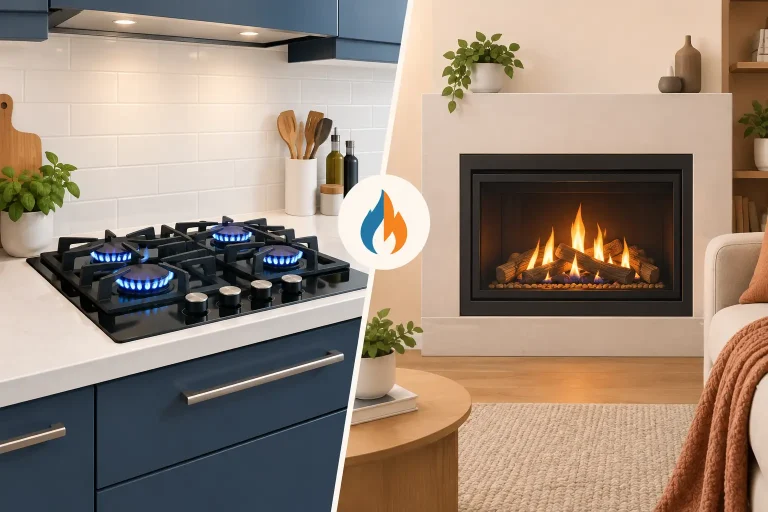
The clearest difference is how they produce heat. A gas fire burns gas to create a real flame and usually gives a stronger, more immediate heat output. An electric fire uses electricity to power a heating element and flame effect, which makes installation simpler but generally limits how much heat it can deliver.

That affects more than warmth alone. It influences where the fire can go, what type of installation is needed and how realistic the flame picture feels in the room. Both options can look excellent when chosen properly, but they suit different homes and priorities.

Heat output and everyday comfort

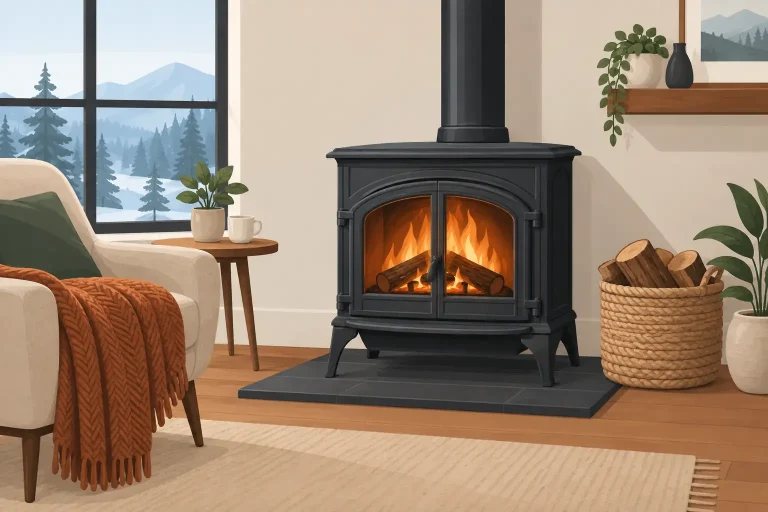
If heating performance is high on your list, gas usually has the edge. Many gas fires offer a higher heat output than electric models, which can make a real difference in larger lounges or older properties that lose heat more quickly. A gas fire can work well as a meaningful secondary heat source rather than simply adding a gentle background warmth.

Electric fires tend to be better suited to smaller spaces, newer insulated homes or rooms where the fire is used for comfort and appearance rather than heavy-duty heating. Most electric models provide enough warmth to take the chill off a room nicely, but they are not usually chosen to deliver the same level of heat as a strong gas appliance.

That said, not every household needs maximum heat. Some customers prefer an electric fire because they like the visual effect all year round and only occasionally use the heater setting. In that case, the lower heat output is not a drawback at all.

Installation requirements

This is often where the decision becomes much clearer.

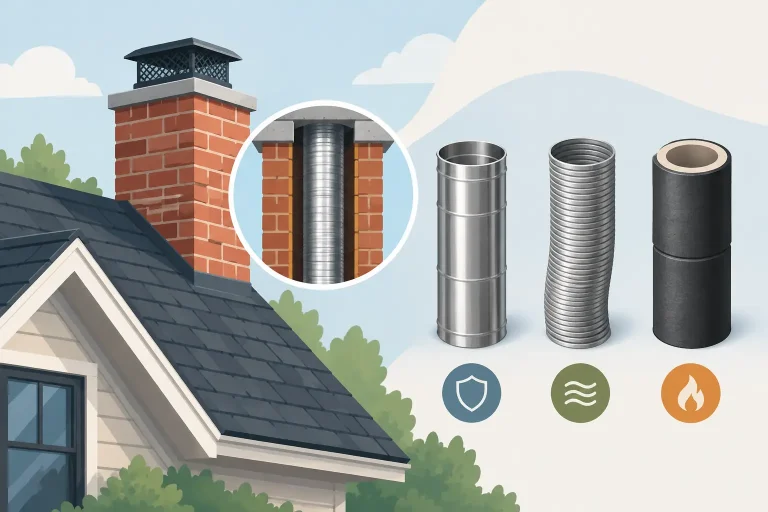
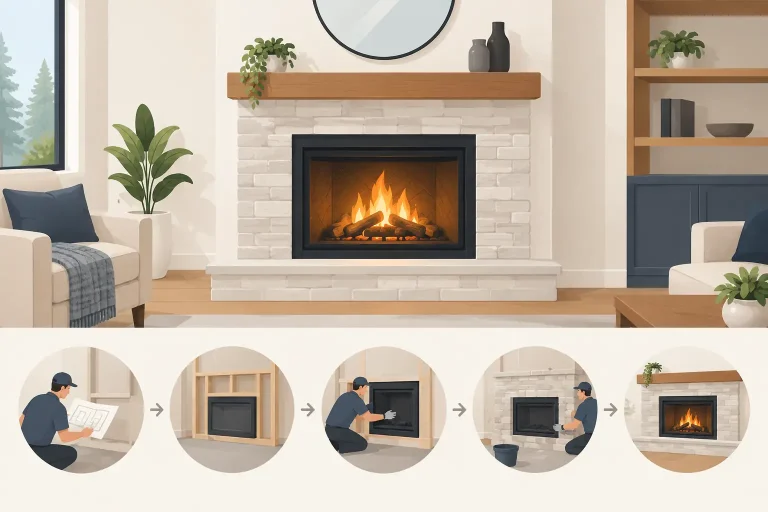
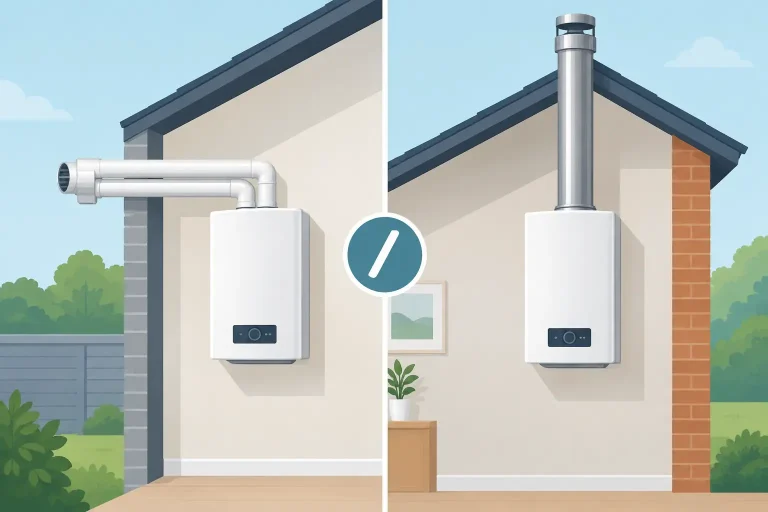
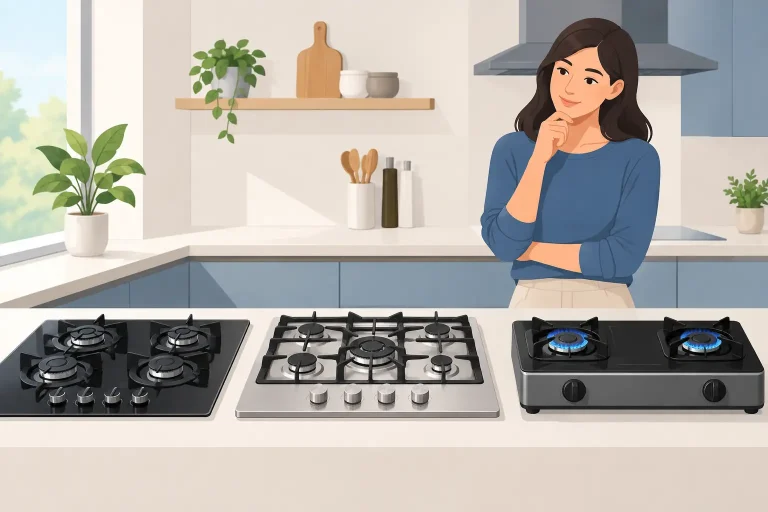
A gas fire needs a suitable gas supply and must be installed correctly by a Gas Safe registered engineer. Depending on the model, it may also need a chimney, flue liner or balanced flue arrangement. Some homes are well set up for this already, especially if there is an existing fireplace opening or chimney breast. In those cases, gas can be an excellent upgrade.

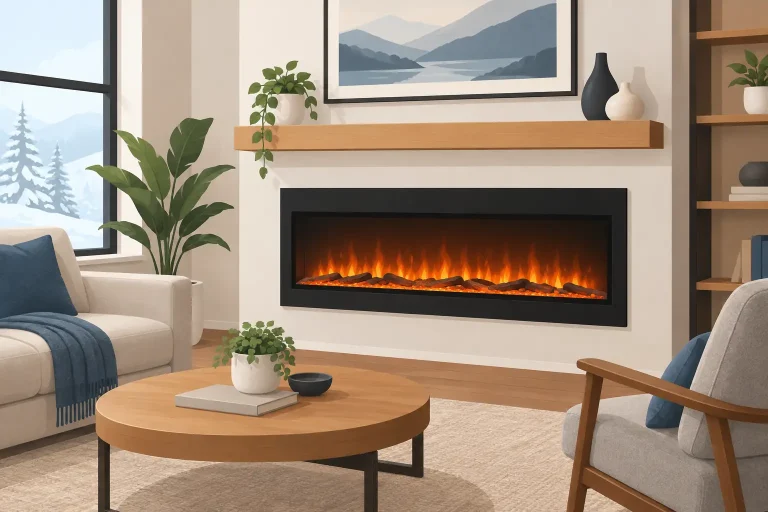
An electric fire is far more flexible. Many models can be fitted where there is no chimney and no existing gas point, which opens up far more possibilities for modern feature walls, media units and simple fireplace suites. In many homes, that flexibility is the deciding factor.

If you are renovating, moving a fireplace position or creating a new focal wall from scratch, electric is often easier to plan around. If you already have the right infrastructure in place, gas can become a very attractive long-term option.

Running costs and efficiency

Running costs matter, but they should be looked at honestly. Electric fires are often close to 100 per cent efficient at the point of use because the electricity they consume is turned into heat in the room. Gas fires can also be highly efficient, particularly glass-fronted models, but the fuel cost and appliance efficiency vary by product.

The more practical question for most homeowners is what it costs to get the warmth you want in real life. Gas can work out favourably for people who regularly use their fire for room heating, especially if they want more substantial heat output. Electric fires may cost more per unit of heat, but they are often used differently – shorter bursts, occasional use, or mainly for the flame effect.

So there is no single answer for every household. If the fire is likely to be on often through autumn and winter, gas deserves serious consideration. If it is mainly for evening ambience with light top-up heat, electric may still be the more sensible and affordable fit overall.

Flame realism and style

Both categories have improved a great deal in recent years. Gas fires still appeal to many people because of the natural movement of a real flame. That authenticity is hard to replicate completely, and for some customers it remains the biggest reason to choose gas.

Electric fires, though, have come a long way. Modern flame effects can be very convincing, especially in well-designed media wall fires and contemporary inset models. Many also allow you to enjoy the flame picture without the heat, which is something gas does not offer in quite the same way.

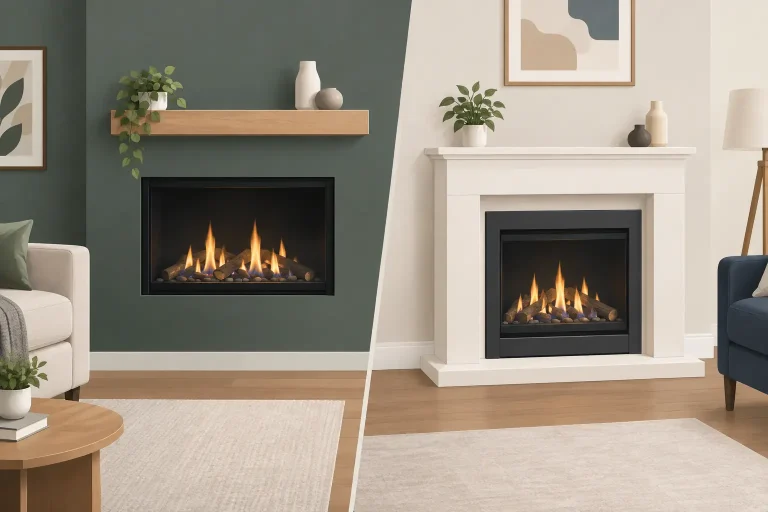
Style choice is strong across both. Whether you prefer a hole-in-the-wall look, a traditional fireplace suite or something sleek and modern, there are excellent gas and electric options. The best choice is usually the one that suits both the room and the way you want to use the fire, not just the showroom appearance on first glance.

Maintenance, servicing and long-term care

Gas fires need regular servicing to keep them operating safely and efficiently. That is not a negative – it is simply part of owning a gas appliance and protecting its performance over time. A properly installed and well-maintained gas fire can give years of reliable service.

Electric fires are generally lower maintenance. There is no chimney or flue to consider, and servicing needs are usually less involved. For customers who want the simplest possible ownership experience, that can be a major advantage.

Even so, simplicity should be weighed against performance. Some homeowners are very happy to arrange routine servicing if it means getting the look and heat of a gas fire. Others would rather keep things as straightforward as possible and choose electric for that reason alone.

Which is better for different homes?

For flats, newer homes without chimneys and rooms where installation options are limited, electric fires are often the easiest answer. They allow you to create a focal point without major building work, and they suit households that want flexibility and convenience.

For traditional properties, chimney breasts and lounge spaces where stronger heat matters, gas fires can be the better fit. They often feel more substantial as a heating appliance and can work beautifully in both classic and contemporary settings.

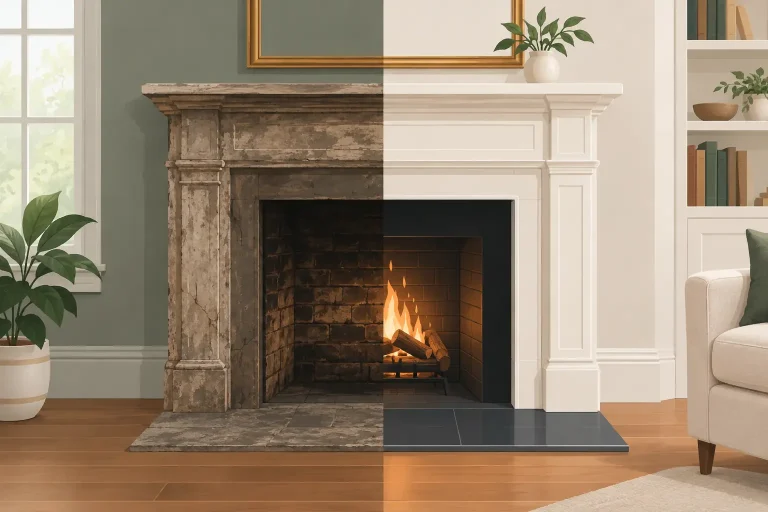
If you are replacing an older fire, the existing setup matters a great deal. Sometimes a like-for-like gas replacement is the most sensible route. In other cases, especially where simplicity or redesign is the priority, moving to electric can open up more options.

Gas fires vs electric fires: questions worth asking before you buy

Before choosing either option, it helps to think practically about how the room is used. Do you sit in there every evening through winter, or only now and then? Is this your main living space, or more of a second room? Are you trying to heat the room properly, or mainly create a feature?

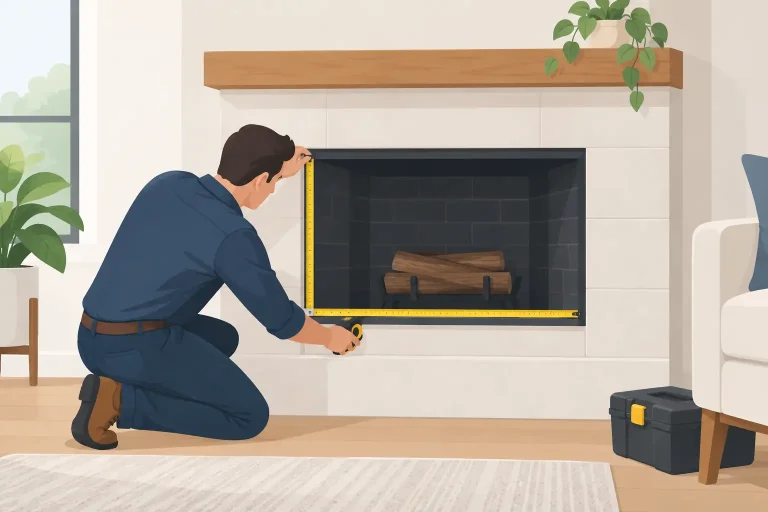
You should also think about the installation side early on. Does the property have a suitable chimney or flue option? Is there a gas supply where it is needed? Would you prefer a fire that can be installed with less disruption? These points can quickly narrow the choice in the right direction.

It is also worth considering the finish around the fire. The surround, hearth and overall proportions in the room matter just as much as the appliance itself. A fire should not only work well – it should look as though it belongs there.

The right choice is the one that suits your home

There is no universal winner in the gas fires vs electric fires debate. Gas offers stronger heat, real flame appeal and excellent performance in the right setting. Electric offers flexibility, straightforward installation and very easy day-to-day use.

For many homeowners, the best result comes from seeing both in person and talking through the practical details with someone who understands the installation side as well as the product range. At Wirral Fires, that is often where customers gain real clarity, because what looks best online is not always what suits the room, the property or the way the fire will be used.

A good fire should feel right long after installation day – warm when you need it, attractive every day and sensible for the home you have, not just the one you imagine.