

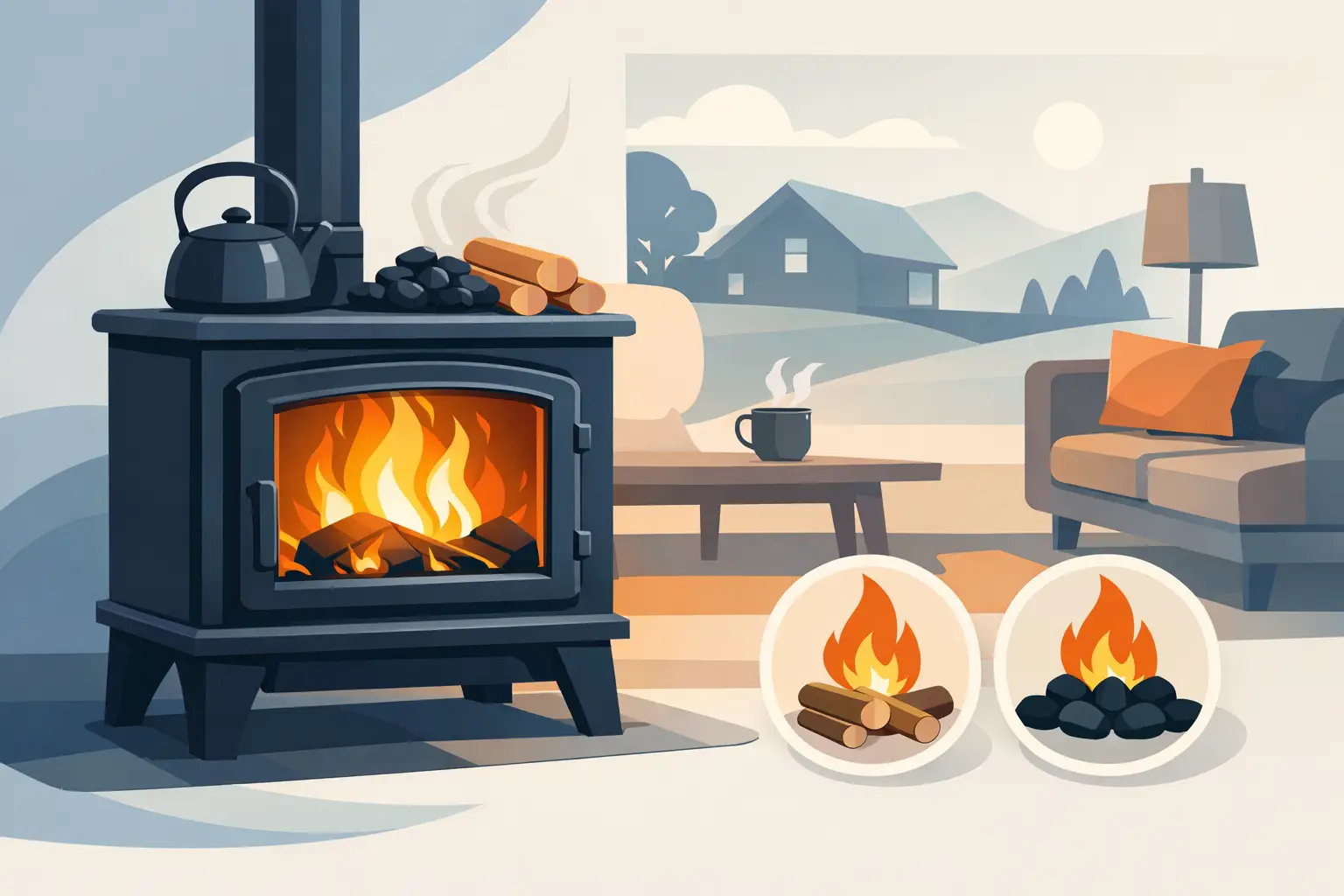
A stove that looks right in the showroom can feel very different once it is heating your living room. The best multi fuel stoves for heat are not necessarily the largest or the highest-output models. They are the stoves that suit your room size, chimney, lifestyle and preferred fuel, while giving you the style and dependable warmth you want from the heart of your home.
For homeowners across the Wirral, Chester and West Cheshire, choosing a stove often forms part of a wider renovation or fireplace update. Getting the specification right at the start helps avoid an overheated room, disappointing performance or unnecessary installation changes later on.
What makes a multi fuel stove a good heater?
A multi fuel stove is designed to burn more than one solid fuel type, typically wood and approved smokeless fuels. Unlike a dedicated wood-burning stove, it usually has a grate and ashpan beneath the firebed. This allows air to come up through the fuel, which is particularly useful when burning smokeless fuel.
Its heating performance comes down to more than the firebox size. A well-designed stove combines an appropriate kilowatt output with efficient combustion, controllable airflow and a good-quality installation. Modern models are far more efficient than an open fire, directing a greater proportion of the fuel’s energy into the room rather than allowing heat to disappear up the chimney.
The fuel flexibility is a real advantage for some households. You may enjoy the quick flame and character of logs at weekends but want the longer, steadier burn that an authorised smokeless fuel can provide on colder evenings. That said, if you only ever plan to burn wood, a dedicated wood burner may be the simpler choice. The right appliance depends on how you intend to use it.
Choose heat output before choosing the look
It is easy to be drawn first to a particular style – perhaps a traditional cast stove, a compact contemporary model or a large landscape firebox. However, output should be one of the first decisions, not an afterthought.
As a very broad guide, many average living rooms suit a stove in the 4kW to 6kW range. Larger open-plan spaces, rooms with high ceilings, older properties or poorly insulated homes may need more. A small, well-insulated room may need less. These figures are only a starting point, as glazing, insulation, room dimensions, the rest of the property and how often internal doors are left open can all affect heat demand.
An oversized stove is not a better stove. If it produces too much heat for the room, you may find yourself turning it down excessively. This can lead to less efficient burning, blackened glass and an uncomfortable space. A correctly sized model will run more cleanly and allow you to enjoy the fire without opening windows to cool the room down.
A heat-loss calculation provides a more reliable answer than guesswork. It is especially worthwhile for extensions, open-plan layouts and period homes, where the room can behave very differently from a modern, insulated lounge.
Do not forget the rest of the house
A stove is primarily a room heater, even when its warmth naturally travels through adjoining spaces. If you are hoping it will replace your central heating throughout the property, it is sensible to discuss that expectation early. The layout of your home and the position of the stove will determine how far the heat will realistically reach.
Efficiency matters, but so does everyday control
Efficiency ratings are useful when comparing models, but they should be viewed alongside practical features. A stove with good air controls, an effective airwash system and a suitable firebox size can be easier to live with than one chosen solely for a headline percentage.
Look for a model that allows you to adjust primary and secondary air clearly. Primary air supports combustion from beneath the fuel and is particularly relevant for smokeless fuels. Secondary air helps burn gases above the fire and often keeps the glass clearer. Simple, responsive controls make it easier to establish a good fire and maintain it at a sensible operating level.
Glass size is another worthwhile consideration. A broad viewing window creates an impressive focal point, but it should not be the only measure of quality. The shape of the firebox, door seal, baffle arrangement and airwash design all influence how cleanly the stove performs over time.
Fuel choice affects the heat you feel
The quality of your fuel has a direct effect on heat output, efficiency and maintenance. For wood, use properly seasoned or kiln-dried logs with a moisture content below 20 per cent. Wet wood wastes energy boiling off water, creates more smoke and can contribute to deposits in the flue.
Smokeless fuels can provide a long-lasting, consistent heat, but only use a fuel that is suitable for your particular stove and permitted in your area. The manufacturer’s instructions will confirm what can be burned. Never assume that because a stove is multi fuel, every solid fuel is appropriate.
Burning the right fuel also protects the appliance. Poor-quality fuel can create excess ash, soot or tar, while the wrong fuel may damage internal components and affect the stove’s warranty. A good stove deserves good fuel, and it will reward you with better warmth and less cleaning.
Check your chimney, flue and ventilation early
A beautiful stove still needs the right conditions to operate safely. Before selecting a model, the existing chimney should be assessed to establish whether it is sound, suitably sized and likely to require a liner. Many installations benefit from a new flue liner, particularly in older properties, as this helps provide a safe and reliable route for combustion gases.
Where there is no usable chimney, a twin-wall flue system may offer a solution. This opens up more options for positioning a stove, although the route and external appearance should be considered carefully as part of the design.
Ventilation is equally important. Depending on the stove output, the age and airtightness of the property, and the installation details, a permanent air vent may be required. Modern extractor fans and mechanically ventilated homes also need attention. These are not inconvenient extras – they help the stove draw correctly and operate safely.
Professional installation should also cover the hearth, clearance distances to combustible materials, carbon monoxide alarm and compliance with current Building Regulations. This is where experienced guidance makes a considered purchase feel much more straightforward.
Best multi fuel stoves for heat: features worth comparing
When comparing stoves in person, focus on the features that will matter after the first few fires. A quality door mechanism, solid internal parts and practical ash removal can make a noticeable difference over the years. It is also helpful to ask how easy replacement consumable parts are to obtain.
For many homes, these four points are worth comparing between models:
- The rated heat output and the range at which the stove burns effectively.
- Whether it is suitable for use in a Smoke Control Area when burning wood, if this applies to your location.
- The size of logs it accepts and how easily the firebox can be loaded.
- The design details, including colour, leg style, handle finish and whether it works with your chosen hearth and surround.
A compact stove can be an excellent heater in the right room, while a wider model may suit a chimney breast that needs more visual presence. There is no single best brand or shape for every home. The most successful choice balances the technical requirements with the way you want the room to look and feel.
Why seeing a stove in a showroom helps
Online research is useful, but a stove is a substantial home purchase and photographs rarely show its true scale. Seeing models in a showroom helps you compare firebox sizes, door styles, finishes and proportions. You can also talk through the practical questions that product pages cannot answer, such as whether your existing fireplace opening is suitable or how a stove package could work with a new surround and hearth.
At Wirral Fires, our no-pressure approach is built around helping customers find an option that genuinely suits their home. With experienced advice and certified installation available, the aim is to make the process clear from the first conversation through to a tidy completed fitting.
A multi fuel stove should give you more than an attractive flame. Take the time to match its output, fuel options and installation requirements to your property, and you will have a warmer, more comfortable room to enjoy for many winters to come.