

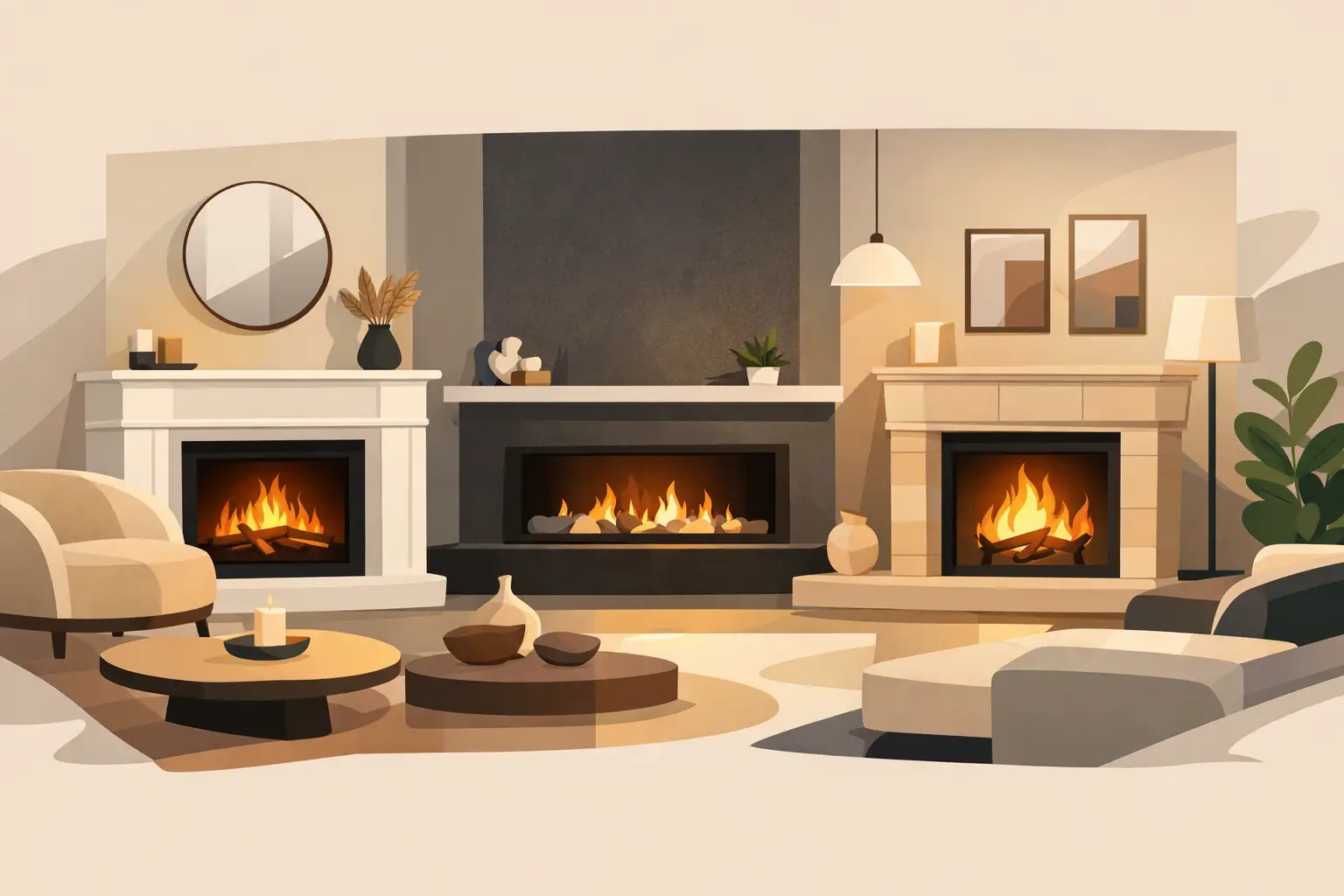
A fireplace suite can change the feel of a living room before the fire is even switched on. It creates a focal point, gives a plain chimney breast more presence and can bring warmth to a space that otherwise feels unfinished. This fireplace suite buying guide will help you choose a suite that looks right, suits your room and can be fitted safely without unwelcome surprises.
For most homeowners, the best starting point is not the colour of the surround. It is understanding the space available, the type of fire you want and what your property can accommodate. Once those practical points are clear, choosing a style becomes far more enjoyable.
Start with the room, not the brochure
A fireplace suite usually combines a surround, back panel, hearth and fire into one coordinated feature. Some are designed around electric fires, while others work with inset gas fires or certain solid-fuel appliances. The right choice depends on where it will sit and how you expect to use it.
Look carefully at the wall or chimney breast. Measure its overall width and height, then measure the clear floor space in front of it. A large, imposing surround can look excellent in a generous lounge but may crowd a compact room. Equally, a very slim suite can disappear against a wide chimney breast.
Think about everyday furniture placement as well. There needs to be sensible clearance around the fireplace, particularly where a fire produces real heat. Sofas, rugs, televisions and low furniture should not dictate an unsafe layout. If you are renovating, decide on the fireplace position early so that flooring, electrics, plastering and decorating can be planned around it.
Choose the fire before the suite
The fire is the working part of the feature, so it should lead the decision. A surround may be beautiful, but it must be compatible with the appliance, its dimensions and its installation requirements.
Electric fires for flexibility
An electric fire is often the most straightforward route to a new fireplace suite. It does not need a chimney or flue, making it particularly useful in modern homes, extensions and rooms where a traditional fireplace opening is not available. Many models offer a flame effect independently of the heater, so you can enjoy the atmosphere throughout the year.
Electric suites are available in styles ranging from classic timber-effect surrounds to clean, contemporary designs. They are a good option where ease of use and visual impact are the priority. However, while an electric fire can provide useful supplementary warmth, it may not be the main heating solution for a large or poorly insulated room.
Gas fires for efficient, familiar warmth
A gas fire can offer convincing flames, controllable heat and the appeal of a real fire without handling fuel or ash. Depending on the model and your property, it may require an existing chimney, a balanced flue or another suitable flue arrangement.
This is where professional advice matters. The fire, flue route, ventilation and surrounding materials all need to be assessed before a gas suite is selected. A Gas Safe registered engineer can confirm what is suitable and ensure the finished installation meets the relevant safety requirements.
Solid fuel and stove-style options
A traditional fireplace suite is not always the natural partner for a wood or multi-fuel stove. Stoves need appropriate clearance, a suitable hearth and a correctly lined or prepared chimney system. In some homes, a stove within a fireplace opening delivers the look and heat homeowners want better than a conventional surround-and-inset-fire arrangement.
It depends on the property and the finish you have in mind. If you love the character of a real flame but have a shallow chimney breast or no suitable flue, it is worth discussing the alternatives before committing to a particular suite.
Get the proportions right
The most attractive fireplace suites look as though they belong in the room. That usually comes down to proportion rather than choosing the most decorative design.
A wider surround can balance a broad chimney breast and make a high-ceilinged room feel more grounded. In a smaller lounge, a simpler design with cleaner lines may create the same focal point without reducing the sense of space. The height of the mantel is worth considering too, especially if you plan to display a mirror, artwork or a television above it.
Do not forget depth. A suite that projects significantly into the room may affect walkways, door openings or furniture positions. This is particularly relevant in bay-fronted rooms, narrow lounges and homes where the fireplace sits close to a main route through the space.
Match materials and style to your home
A fireplace suite should complement the room, not compete with every other finish in it. Marble and stone-effect surrounds bring a more formal, timeless feel and work well with traditional interiors. Wood and timber-effect suites can add warmth and suit country-style or period homes. Painted and neutral finishes are versatile, particularly where you may redecorate in the future.
For a contemporary setting, consider simple framing, a low-profile hearth and an electric fire with a wide flame picture. For a more classic look, a mantel with gentle detailing can sit comfortably alongside coving, panelled walls and older architectural features.
Colour matters, but it is rarely the only consideration. A pale surround can brighten a darker chimney breast, while a darker finish can add definition in a light, open-plan room. Viewing samples and complete displays in person is helpful because lighting can make materials appear very different from photographs.
Heat output, insulation and how you use the room
It is easy to focus entirely on appearance, but the room’s heating needs should be part of the conversation. A well-insulated sitting room may only need a fire for added comfort on colder evenings. An older room with high ceilings, draughts or large windows may need a more capable heat source.
Consider whether the fire will be decorative, supplementary or expected to make a meaningful contribution to heating the room. For electric fires, check the available heat settings and whether a separate flame-only mode is included. For gas and solid-fuel appliances, output must be appropriate for the room size and the property’s ventilation.
More heat is not automatically better. An oversized appliance can make a room uncomfortably warm and may limit how often you use it. A suitable fire should feel practical on an ordinary winter evening, not just impressive during a showroom visit.
Plan for the hearth, back panel and surrounding wall
The hearth and back panel are not merely finishing touches. They protect surrounding surfaces, frame the fire and contribute heavily to the final look. Their required dimensions and materials vary depending on the appliance type, particularly where real heat and solid fuel are involved.
Existing walls may also need attention. Removing an old fireplace can reveal uneven plaster, outdated openings or a hearth that does not meet current requirements. In other cases, a chimney breast may need an opening altered, a flue inspected or an electrical supply installed before fitting can begin.
A proper survey helps identify these details early. It gives you a clearer picture of what will be involved and avoids choosing a suite that needs major changes to work in the intended position.
Why professional fitting is part of the buying decision
A fireplace is a prominent piece of furniture, but it is also an appliance that must be installed with care. The quality of fitting affects the finish, the safety of the fire and how confidently you can use it.
With an electric suite, neat cable routing, secure fixing and a level installation make a noticeable difference. With gas fires, the work must be completed by a suitably qualified Gas Safe registered engineer. Stoves and solid-fuel appliances require the right flue arrangements, clearances and installation knowledge. Cutting corners can lead to poor performance, damaged finishes and safety concerns.
At Wirral Fires, the process can begin with straightforward, no-pressure advice in the showroom, followed by guidance on suitable products and professional installation. Seeing suites alongside different fire types often answers questions that are difficult to resolve from measurements alone.
Take a few useful details to the showroom
Before visiting, bring your room measurements, a few photographs of the existing fireplace or wall and any information you have about the chimney, flue or current fire. If you know the size of a television or furniture that will sit nearby, include that too.
These details help narrow the choice quickly. They also make it easier to discuss whether you need an electric, gas or alternative solution, rather than selecting a surround first and discovering later that the fire is not suitable.
The right fireplace suite should make the room feel more settled, while fitting comfortably into the way you live. Take your measurements, ask practical questions and give yourself the chance to see the finish and flame effect in person. A well-chosen suite will reward that little extra care every time you come home to it.