

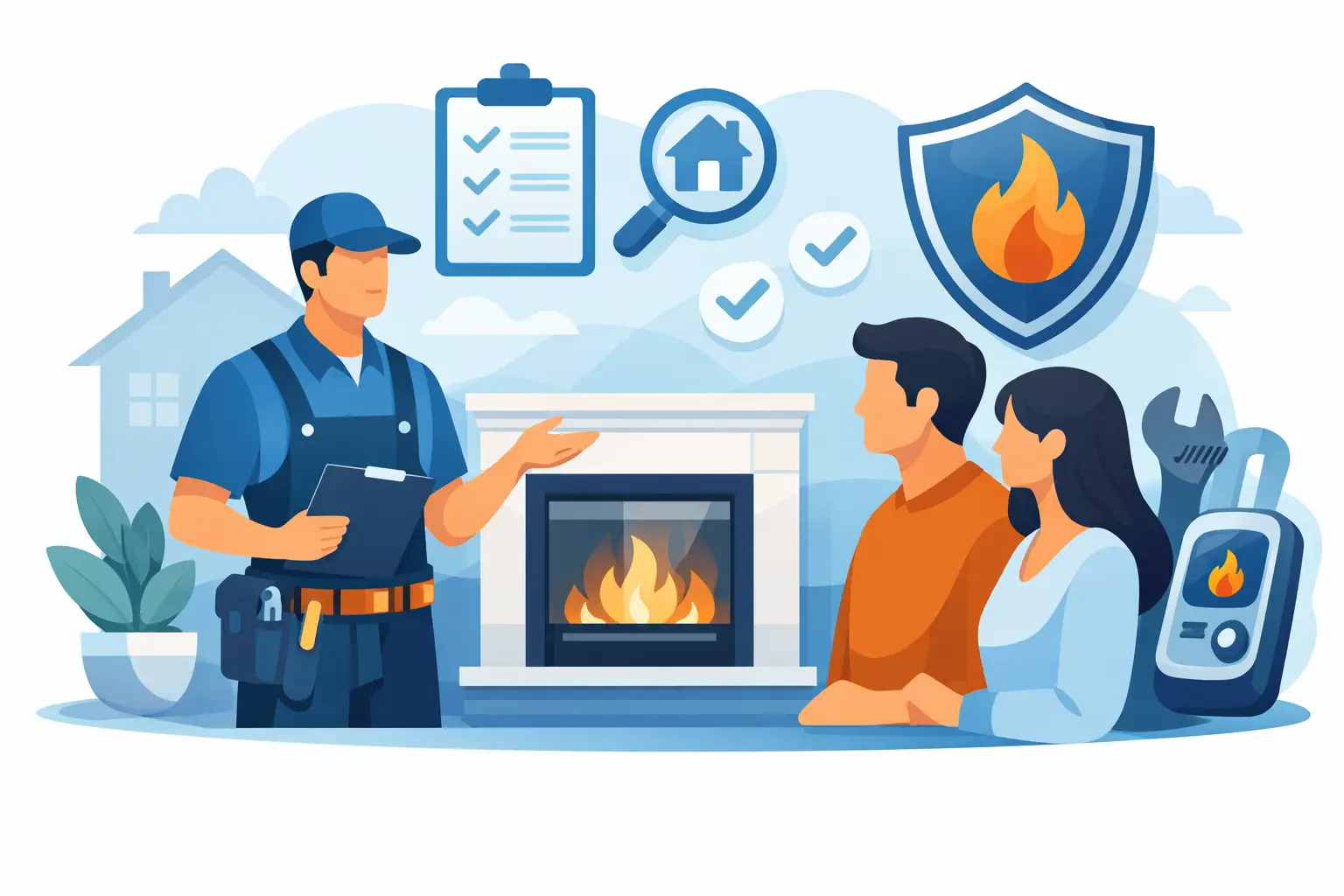
A fireplace can completely change a room, but the fitting side is where many homeowners feel unsure. Choosing gas safe fireplace installers is not simply a box-ticking exercise. It affects safety, day-to-day performance, the finish of the fireplace itself and whether the whole job feels straightforward or stressful.
For most people, this is not a purchase they make often. You may be replacing an old gas fire, updating a dated surround, or planning a full renovation with a new focal point in the living room. In every case, the installer matters just as much as the appliance. A good installation should leave you with a fire that looks right, works properly and has been fitted with care from start to finish.
Why gas safe fireplace installers matter
Gas appliances must be fitted by a suitably qualified Gas Safe registered engineer. That part is non-negotiable. It is about legal compliance, but more importantly it is about protecting your home and the people in it.
A fireplace installation is rarely as simple as sliding in a new fire and switching it on. The engineer may need to assess the chimney or flue, ventilation, hearth dimensions, recess condition, gas supply, closure plate arrangements and the compatibility of the appliance with the room. If any of those details are overlooked, you can end up with poor performance, an untidy finish or a setup that is not suitable for the space.
The best gas safe fireplace installers do more than connect a fire. They look at the full picture so the appliance, fireplace opening and room all work together properly.
What a proper installation should include
A reliable installer will usually begin with questions rather than a sales pitch. What type of property do you have? Is there an existing chimney? Are you replacing like for like, or changing to a different style of fire? Do you want the fireplace mainly for heat, appearance or both?
Those details shape the recommendation. A hole-in-the-wall gas fire may suit one room perfectly, while another property may be better suited to a more traditional inset fire with a surround and hearth. Some homeowners want a strong heat output. Others are more focused on creating a neat focal point with lower maintenance.
This is where experience shows. A dependable installer will explain what is possible, what may require additional work and where the trade-offs are. For example, the fire that looks best in a brochure may not always be the best option for your chimney setup or room size. Honest advice at this stage prevents disappointment later.
Once the specification is agreed, installation should cover the practical and safety aspects properly. That includes fitting the appliance to manufacturer standards, checking the gas supply, testing operation, confirming safe performance and leaving the area tidy. Customers should also be shown how to use the fire confidently before the job is signed off.
How to spot trustworthy gas safe fireplace installers
Homeowners often start with the obvious question: are they Gas Safe registered? That is the first check, but it should not be the last one.
It also helps to look at whether the company understands fireplaces specifically, rather than offering general gas work and only occasional fire fitting. Fireplaces bring their own set of considerations, especially when chimneys, flues, surrounds and chamber work are involved. A specialist is more likely to spot potential issues early and give balanced advice on style as well as function.
A showroom can make a real difference too. Being able to see fires, surrounds and suites in person often saves a lot of guesswork. Photographs are useful, but they do not always show scale, finish or flame effect accurately. When you can compare options side by side and speak to someone who understands installation as well as product choice, decisions become easier.
You should also expect clear communication. Quotations need to be understandable. If extra building work, chamber alterations or parts are likely, this should be explained from the outset. No one likes surprise costs halfway through a job, especially when it involves a feature piece in the main living space.
One size rarely fits every home
Many customers start with a clear picture of the style they want, but the technical setup of the property can steer the final choice. That is normal. Fireplace installation is one of those areas where looks and practicality have to meet in the middle.
A period property with an existing chimney breast may allow for a wide range of gas fires and fireplace styles. A newer build, on the other hand, may need a different solution depending on flue arrangements and room layout. Even within similar houses, the right option can vary depending on the depth of the opening, the condition of the chimney and how much heat is actually needed.
That is why good installers do not rush recommendations. Sometimes the better decision is a complete fireplace package with appliance, surround and hearth designed to work together. In other cases, keeping an existing surround and replacing only the fire makes more sense. It depends on the property, the budget and what you want the finished room to feel like.
The value of choosing supply and installation together
There is a practical benefit to using a company that both supplies and installs fireplaces. It gives you a more joined-up process.
If you buy an appliance in one place, a surround somewhere else and then ask a separate installer to fit everything, responsibility can become blurred. If a product is unsuitable, who spotted it too late? If the sizes do not line up perfectly, who resolves it? If the finish is not what you expected, who takes ownership?
With an end-to-end service, those questions are far easier to manage. The products are chosen with fitting requirements in mind, and the installation team knows what has been ordered and how it should come together. That usually leads to a smoother job and a better finish.
For many homeowners across the Wirral, Chester and surrounding areas, that reassurance matters. A fireplace is both a heating appliance and a key design feature. It makes sense to have one team guiding the process rather than trying to coordinate several moving parts yourself.
What to ask before you book
You do not need to be an expert to ask sensible questions. In fact, a good installer should welcome them.
Ask whether the engineer fitting the fire is Gas Safe registered for this type of work. Ask what preparatory checks will be carried out before installation. Ask whether any additional building work may be needed to complete the job properly. If you are choosing a new fire and fireplace together, ask whether the style you like is suitable for your room and chimney arrangement.
It is also sensible to ask about aftercare. A fireplace should not feel like a one-day transaction. You may want advice on using the controls, maintaining the finish or arranging servicing later on. A company that is easy to speak to before the job is usually easier to deal with afterwards as well.
Why local experience counts
There is real value in choosing a local specialist with a track record in the area. They are more likely to understand the range of property types found across the Wirral, Ellesmere Port, Chester and West Cheshire, from older homes with existing chimney breasts to more modern houses with different installation constraints.
Local reputation matters too. When a business has built trust through steady workmanship and straightforward advice, customers notice. That family-run approach often shows in the details – turning up when promised, treating the home respectfully, keeping the work area tidy and taking the time to explain the finished appliance.
That is one reason many homeowners prefer visiting a showroom and speaking to a team face to face. At Wirral Fires Ltd, for example, customers can see styles in person, ask practical questions and get guidance that fits their home rather than generic advice.
Safety first, but not safety only
Most people start by thinking about safety, and rightly so. But the right installer should also help you get the best result visually and practically.
A beautifully fitted fireplace should look in proportion to the room, complement the style of the property and suit the way you actually use the space. There is little point choosing a high-output fire if the room does not need it, just as there is little point picking a sleek contemporary unit if the installation requirements mean it will never sit neatly where you want it.
Good advice is often about steering customers towards what works best overall, not simply what sounds impressive. That kind of guidance can save money, avoid compromises and leave you happier with the result for years to come.
If you are comparing gas safe fireplace installers, look for the team that combines proper certification with honest advice, product knowledge and a tidy standard of work. The right choice should leave you feeling confident before the job starts, not just relieved once it is finished.