

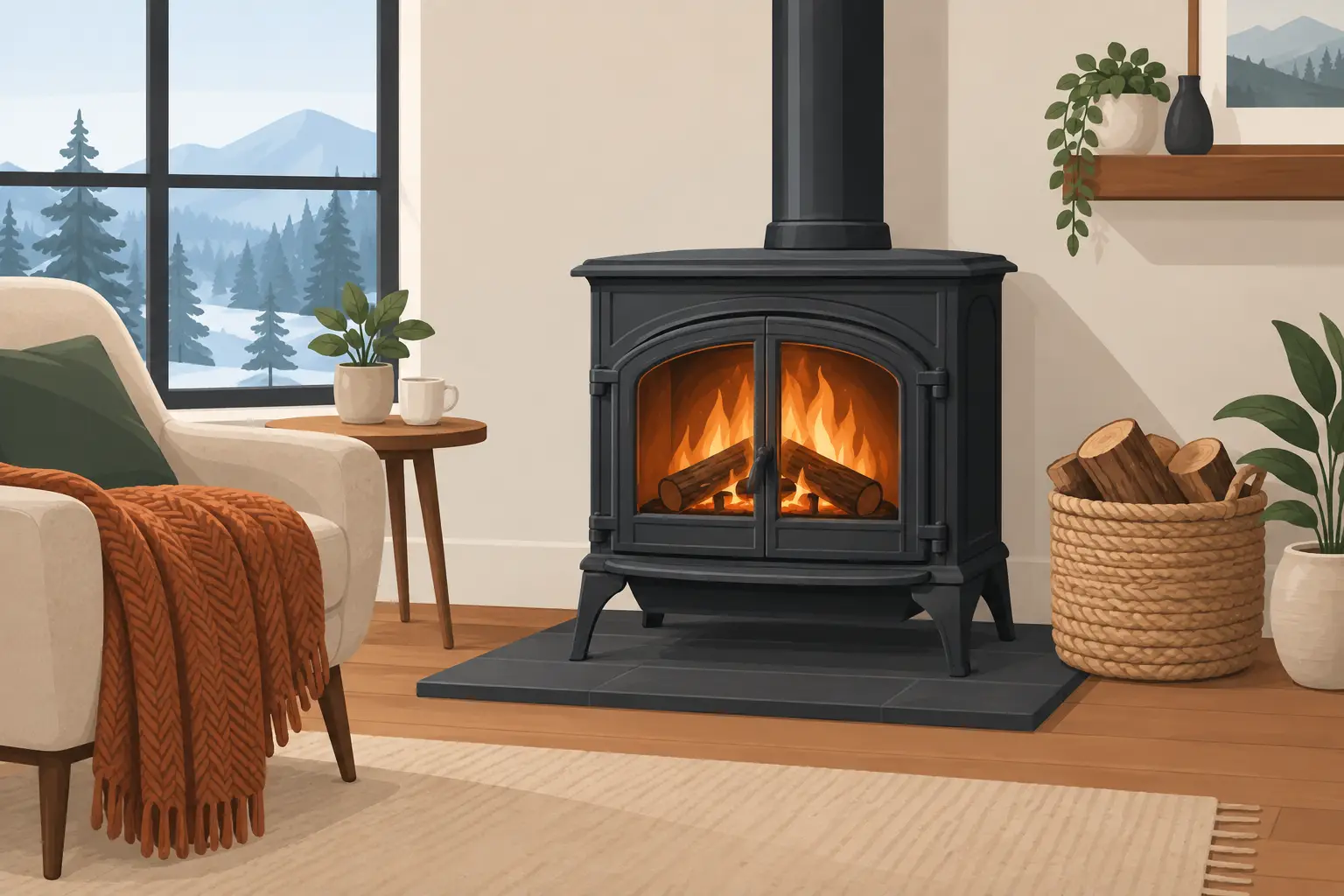
A cast iron stove can change the feel of a room long before you light it. Its solid form, detailed finish and traditional character make it a natural focal point, whether it sits within a period fireplace or brings warmth to a more contemporary extension. For many homes across the Wirral and Cheshire, cast iron stoves offer the balance people are looking for: dependable heat, a welcoming flame picture and a feature that looks right throughout the year.
Choosing one is not simply a matter of finding a design you like. The stove needs to suit the room, the property and the available flue arrangement. With the right advice and professional installation, it can become one of the most enjoyable parts of your home.
Why choose cast iron stoves?
Cast iron has been used for stoves for generations, and with good reason. It is a dense, durable material that absorbs heat and releases it gradually. Once a cast iron stove is properly warmed through, it can continue giving out a comfortable, even warmth after the fire has died down.
That quality is particularly appealing in living rooms where people want to relax for an evening rather than feel a quick burst of heat. The body of the stove has a reassuring weight and presence, while the material lends itself to both classic and clean-lined designs. You may prefer ornate detailing and traditional legs, or a simpler model with a large glass window and a neater, more modern appearance.
Cast iron is not automatically the best choice for every property. Steel-bodied stoves often heat up more quickly and can suit homeowners who prefer a lighter, more contemporary look. However, for those who value retained warmth, craftsmanship and a timeless fireplace feature, cast iron remains a popular option.
Matching heat output to the room
A stove that is too small may struggle to make the room comfortable. One that is too powerful can make a well-insulated lounge uncomfortably hot, leading owners to turn the appliance down too far. This can affect how cleanly and efficiently it burns.
The right heat output depends on more than the room’s floor area. Ceiling height, insulation, glazing, open-plan layouts, external walls and how the room is used all matter. A snug sitting room in a newer home may need far less heat than a similarly sized room in a stone cottage with high ceilings and older windows.
This is why a proper conversation and, where needed, a site survey are worthwhile. Rather than choosing a stove based on its appearance alone, an experienced retailer can help narrow down the output and model that will work comfortably in everyday use. A stove should feel like a pleasure to light, not something you have to manage around.
Consider the whole space, not just the fireplace opening
If the stove will sit in an open-plan kitchen or family area, heat can travel into adjoining spaces and the required output may be different. Equally, a stove installed in a chimney breast can look compact but still need suitable clearances around it for safe operation and air circulation.
The fireplace opening, hearth and surrounding materials all need consideration too. In some cases, opening up an existing fireplace reveals an attractive recess that is ideal for a stove. In others, alterations, a new hearth or a different installation approach may be needed. Seeing stove displays in person can make these decisions much easier, as proportions are difficult to judge from photographs alone.
Wood burning or multi-fuel?
Many cast iron stoves are designed either for wood burning or for multi-fuel use. The distinction matters because the internal grate and airflow arrangements are designed around the fuel being burnt.
A dedicated wood burner is intended for seasoned, dry logs. Wood burns most effectively on a bed of ash, with air supplied from above to support clean combustion. A multi-fuel stove can normally burn approved smokeless fuels as well as wood, using a grate that allows air to come up from underneath and ash to fall into an ashpan.
For most homeowners, a wood-burning stove is the straightforward choice if they want the look, sound and ritual of a real log fire. The key is fuel quality. Burning wet or unseasoned wood creates more smoke, blackens the glass more quickly and can contribute to deposits in the chimney. Dry, properly stored logs help the stove run better and keep maintenance more manageable.
If your home is in a smoke control area, the stove and fuel choices require extra attention. There are appliances approved for use in these areas when operated in line with the manufacturer’s instructions. It is always best to check your property’s local requirements before making a final choice.
The installation is as important as the stove
A well-made cast iron stove deserves a well-planned installation. The flue system is not an optional extra or a detail to leave until later: it is central to performance, safety and how the appliance looks in the finished room.
Where a property has a suitable chimney, the installer will assess its condition, size and route. A flexible flue liner may be required to create a reliable path for combustion gases and to support an efficient draw. The chimney stack, fireplace recess and ventilation arrangements may also need attention.
For homes without a usable chimney, a stove can sometimes be fitted with a twin-wall insulated flue system routed through the house and roof. This creates possibilities in extensions, garden rooms and newer properties, but it needs careful planning. The route, terminal position and clearances must meet the relevant requirements, and the visual impact should be considered from both inside and outside the home.
A suitable non-combustible hearth is also essential. Its size and construction depend on the stove, the floor and the installation method. Nearby combustible materials, such as timber beams or a television above the fireplace, must be considered properly rather than treated as an afterthought.
Professional fitting gives you reassurance that the appliance has been installed correctly, commissioned safely and explained clearly. At Wirral Fires, this is part of the practical guidance we provide, helping customers choose a stove and installation package that suits their home rather than forcing a standard solution.
Living with a cast iron stove
Cast iron stoves are built to last, but they still benefit from routine care. Empty ash regularly when the stove is cold, clean the glass with a suitable product when needed, and have the chimney swept at appropriate intervals. How often sweeping is required depends on the fuel you burn and how frequently you use the stove, but it should never be overlooked.
The stove door rope seals and internal firebricks are working parts. Over time, they may need inspecting or replacing to maintain a good seal and protect the stove body. This is normal maintenance, not a sign that the stove has failed.
It is also worth allowing the stove to warm up gradually when lighting it. A small kindling fire gives the flue time to establish a draw and helps the appliance reach operating temperature steadily. Once you understand the air controls and use good-quality fuel, modern stoves are generally straightforward to run.
Choosing a style that will still feel right in years to come
The best cast iron stoves do more than heat a room. They give a fireplace purpose again, particularly in homes where an old open fire has become inefficient or unused. A traditional black finish can complement exposed brick, slate and timber, while a lighter enamelled finish may soften a painted interior or make the stove stand out against a simple surround.
Think about the view from the sofa as well as the measurements on paper. Glass size, door style, handle detail and the height of the stove all affect the finished result. If you are renovating, it can be sensible to choose the stove early, before the hearth, surround and decorating decisions are fixed.
A visit to a showroom lets you compare designs properly, ask questions without pressure and discuss what is realistically possible in your property. A cast iron stove is a considered addition to a home, and the time spent choosing the right one is repaid every time you settle down beside the fire.