

If you have started looking at stoves for your home, you have probably come across the question: what is a multi fuel wood burner? It is a fair question, because the term gets used a lot and it can be a little confusing when you are comparing appliances, fuel types and installation options.
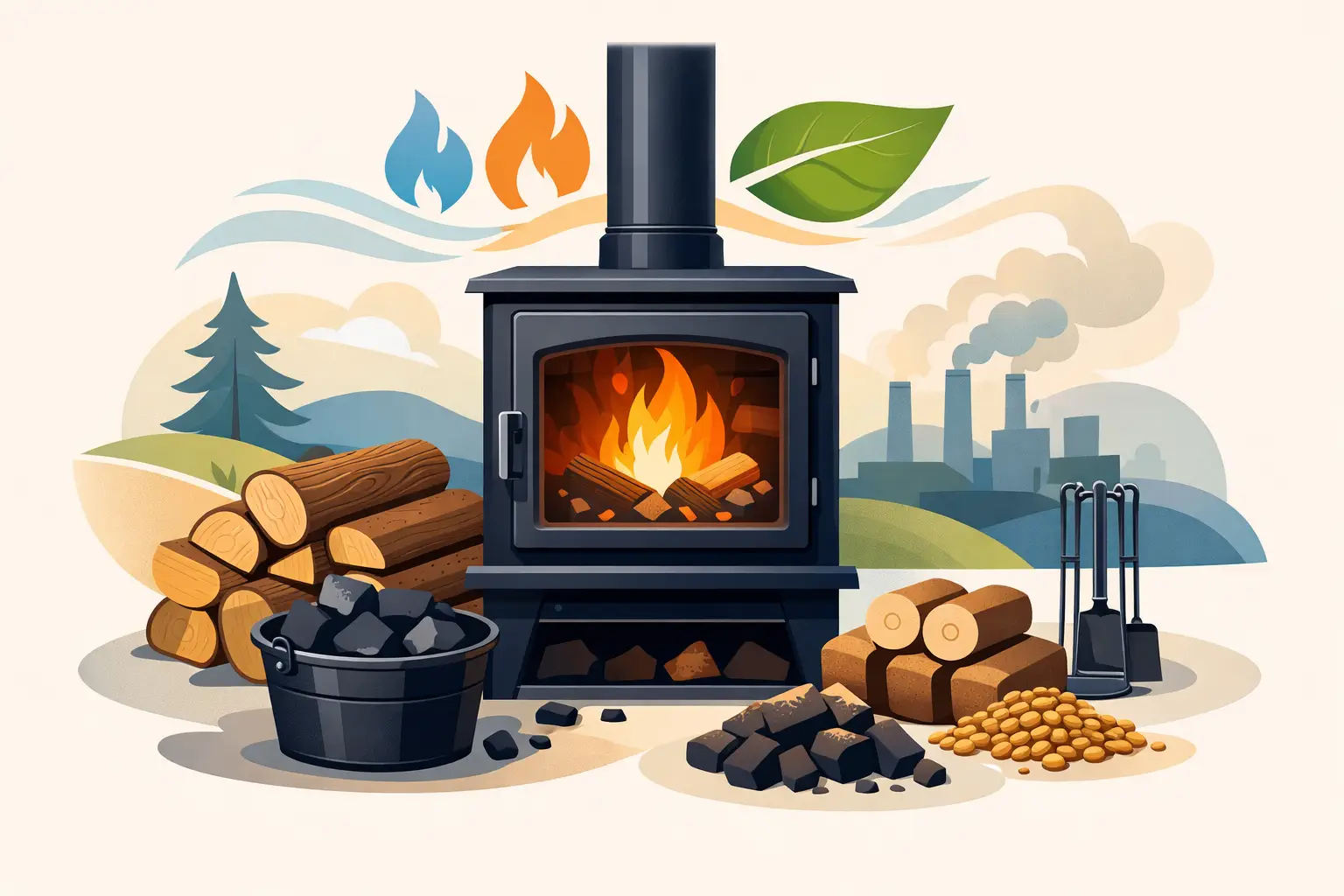
In simple terms, a multi fuel wood burner is a stove designed to burn more than one type of solid fuel. That usually means seasoned logs as well as approved smokeless fuels. It gives you more flexibility than a stove built for wood only, but it also comes with a few practical considerations around how you use it, what you burn and how it is installed.
For many homeowners, that flexibility is the main appeal. You can enjoy the look and feel of a real fire, while also having the option to choose a fuel that suits your routine, budget or heating needs.
What is a multi fuel wood burner and how does it work?
A multi fuel stove looks very similar to a wood burning stove from the outside, but the internal design is different. The key difference is the grate and air supply. A multi fuel appliance is usually fitted with a raised grate that allows air to circulate underneath the fuel bed. That extra airflow is important when burning smokeless coal and other mineral fuels, because they need combustion air from below to burn properly.
A wood-only stove tends to work best with logs sitting on a bed of ash, with air mainly supplied from above or in front of the fire. Wood burns differently from smokeless fuel, so the stove needs to support that pattern of combustion.
With a multi fuel model, you can usually control both the primary air and secondary air. That gives you more control over how the fire burns. It also means the stove can be adjusted depending on the fuel you are using, which is one of the reasons these models are popular with customers who want options rather than a single-fuel appliance.
What can a multi fuel stove burn?
Most multi fuel stoves are designed to burn seasoned or kiln-dried logs and approved smokeless fuels. Some models may also be suitable for certain manufactured briquettes, but that depends on the stove and the manufacturer’s guidance.
What matters here is not just what can physically burn, but what should be burned. Wet or unseasoned wood creates excess smoke, reduces efficiency and can lead to soot and tar building up in the flue. Ordinary house coal is also not suitable in many cases and may not be permitted depending on local rules and the appliance specification.
The safest approach is always to follow the stove manufacturer’s instructions and choose fuel that is properly prepared for that appliance. A good stove can only perform well if the fuel is right.
Why people choose a multi fuel wood burner
For many households, the biggest advantage is flexibility. If you like the character of burning logs but also want the option of a longer-lasting fuel, a multi fuel stove can offer both. Some people use logs in the evening for the flame picture and atmosphere, then choose smokeless fuel when they want a steadier, slower burn.
There is also a practical side to it. Fuel availability can vary, and some customers simply like having a choice. If you are not tied to one fuel type, you may find it easier to keep your stove running in a way that suits your home and your lifestyle.
Another benefit is heat output. Depending on the model and the fuel used, a multi fuel stove can provide excellent room heating. That does not mean every stove is right for every room, though. Size matters. A stove that is too powerful for the space can make the room uncomfortably hot, while one that is too small may struggle to give you the warmth you expect.
Multi fuel stove or wood burning stove?
This is where the decision becomes more personal. A wood burning stove is often chosen by people who know they only want to burn logs and want an appliance optimised specifically for that purpose. If you love the ritual of storing and using wood, and you want the stove set up mainly around log burning performance, that may be the better fit.
A multi fuel stove is often the more versatile option. It suits homeowners who want the freedom to use logs and approved smokeless fuel depending on the time of year, fuel prices or personal preference.
That said, versatility is not automatically better. If you are only ever going to burn logs, there is a good argument for choosing a dedicated wood burner. If you genuinely value choice, a multi fuel model can make more sense. It depends on how you plan to use the stove day to day, not just how it looks in the showroom.
Installation matters as much as the stove itself
A stove is not just a product purchase. It needs to work safely and efficiently in your home, which means the installation side is just as important as the appliance you choose.
Before fitting a multi fuel wood burner, the key questions usually include whether you have an existing chimney, whether that chimney needs lining, what size flue is required, how much ventilation the room needs and whether the hearth meets current regulations. If there is no chimney, a suitable flue system may still make installation possible, but the set-up will be different.
This is why many homeowners prefer to speak to a specialist rather than trying to piece everything together themselves. The right advice at the start can save time, avoid costly mistakes and make sure the finished result looks right in the room as well as performing properly.
Is a multi fuel wood burner suitable for every home?
Not always. Many homes can accommodate one, but suitability depends on the property, the room, the flue route and the way the stove will be used.
For example, a compact room may need a lower output stove, while an open-plan space may need something more substantial. A period property may suit a traditional cast style, while a newer extension might look better with a more contemporary design. If your home is in a smoke control area, fuel choice and appliance specification need even closer attention.
There are also lifestyle considerations. If you want quick, instant heat at the touch of a button, a stove may not be your first choice. If you enjoy the ambience of a real flame and do not mind a little routine around lighting, refuelling and cleaning, a stove can be a very rewarding addition to the home.
What to think about before you buy
The best place to start is with the room itself. Consider the size of the space, the style you want to create and whether the stove is intended as a main heat source or more of a feature fire with useful extra warmth.
Then think about fuel. Are you happy storing logs? Do you want the flexibility to burn smokeless fuel as well? Do you want a stove that will mainly be used at weekends, or something that forms part of your regular heating routine through winter?
It is also worth thinking about the finish around the stove. The appliance is only one part of the overall look. The chamber, hearth, beam or surround can make a big difference to the final result, especially in a main living area where the fire will become a focal point.
For homeowners across the Wirral, Chester and surrounding areas, seeing different stove styles in person often makes the decision much easier. A showroom visit can help you compare sizes, finishes and designs properly, and it gives you the chance to ask practical questions about your own home without any guesswork.
The value of expert advice
When people ask what is a multi fuel wood burner, they are usually asking more than just for a definition. They want to know whether it is right for their home, whether it will heat the room properly and whether the whole process will be straightforward.
That is where clear, no-pressure advice makes a real difference. An experienced retailer and installer can help you narrow down the right heat output, explain the fuel options, assess the flue requirements and make sure the stove fits both the room and the way you live.
At Wirral Fires, that is often the part customers value most. Not just choosing a stove, but having confidence that it will be installed correctly, safely and with the right guidance from the start.
A multi fuel wood burner can be an excellent choice if you want real-flame character with a bit more flexibility in how you heat your room. The key is choosing the right appliance for the space, the right fuel for the stove and the right team to guide you through it.