

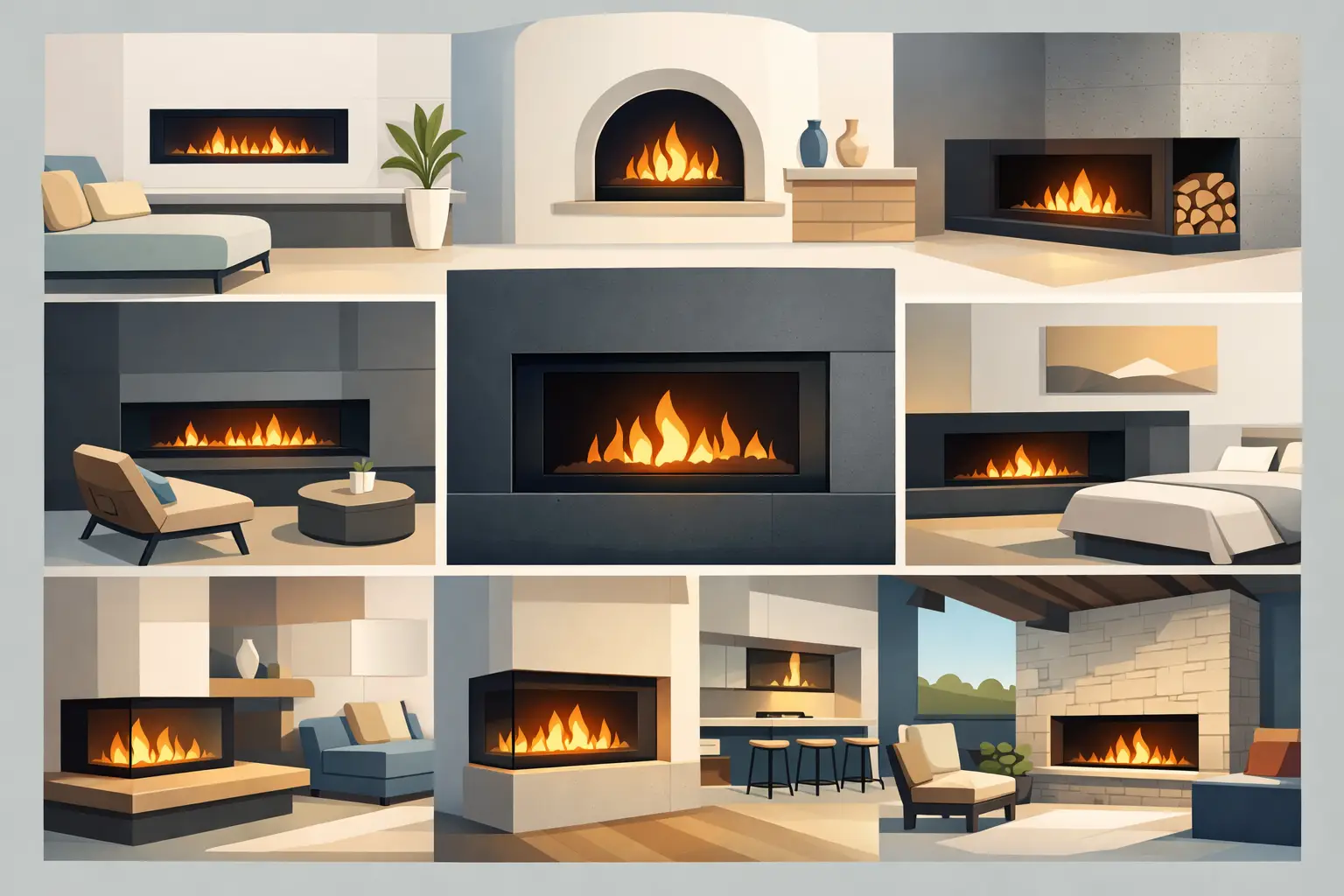
A hole-in-the-wall fire can completely change the feel of a room – but only when the size, finish and position are right. Many homeowners start looking for hole in the wall fires ideas because they want a cleaner, more contemporary focal point without the bulk of a traditional fireplace. That makes sense, but the best result usually comes from thinking about the whole wall, not just the fire itself.
These fires work particularly well in living rooms where you want a neat, built-in look and a bit more usable floor space. They can suit modern interiors beautifully, but they are not limited to one style. With the right frame, hearth detail and wall finish, they can sit just as comfortably in a more classic home.
Hole in the wall fires ideas that work in real homes
The most useful starting point is to think about how the room is actually used. A fire might be there for regular heat, occasional evening use, or mainly for visual impact. That choice affects everything from output to flame picture to where the appliance should sit on the wall.
If the fire is intended to provide meaningful warmth, sizing matters. A model that looks impressive but throws out too much heat for the room can become less practical than expected. On the other hand, if the aim is atmosphere first, you may have more freedom to prioritise styling, glass width and installation height.
One of the strongest ideas is to keep the surrounding wall simple and let the fire do the work. A clean chimney breast in a smooth plastered finish, with minimal visual clutter, often gives the smartest result. This is especially effective in smaller or medium-sized rooms where too many competing features can make the space feel busy.
Another popular approach is to build the fire into a media wall. This can look excellent, but it needs careful planning. The proportions between television, fire opening and any shelving have to feel balanced, and the installation requirements should always come first. A good-looking media wall is one thing. A safe, practical one is what really matters.
Choosing the right style of hole in the wall fire
A wide landscape fire is often the go-to choice for a modern room. It creates a broad flame picture and gives a low, sleek look that suits contemporary furniture and open-plan layouts. If your seating is arranged across the room, this style can help anchor the space and make the feature wall feel more substantial.
A more compact inset design can be the better option in a narrower lounge or where wall space is limited. It still gives the floating effect that many people want from a hole-in-the-wall design, but without overpowering the room. This is often the more sensible route in period terraces, smaller semis and snug second reception rooms.
Frameless or minimal-frame fires are popular because they keep the finish crisp and understated. They work well when you want the flames to be the main feature. If you prefer a little more definition, a simple trim in black, graphite or stainless steel can sharpen the overall look and tie in with other fittings in the room.
For homes that lean slightly more traditional, pairing a hole-in-the-wall fire with a subtle hearth or a softer wall colour can stop the installation from feeling too stark. Contemporary does not have to mean cold. Texture, lighting and the right surround details can make the whole space feel warm and inviting.
Wall finishes and framing ideas
Some of the best hole in the wall fires ideas are less about the appliance and more about what sits around it. The background finish has a big effect on the final look. A plain painted chimney breast is often the safest option because it is timeless and easy to update later.
If you want more contrast, a tiled feature wall can work very well. Large-format tiles in stone, slate effect or porcelain can give a smart finish, especially in rooms with a modern scheme. The key is restraint. A heavily patterned wall plus a statement fire can be too much unless the room is large enough to carry it.
Slatted wall panelling is another look that has become popular, particularly in newer renovations. It can frame the fire nicely and add texture without making the space feel cluttered. This style tends to work best when the rest of the room is fairly simple.
Some homeowners like to include a floating shelf or a simple mantel detail above the opening. That can soften the overall look, but it depends on the fire model and clearance requirements. This is where expert advice helps, because what looks appealing on a mood board may not always be suitable in practice.
Getting the height and proportions right
One of the most common mistakes is placing the fire too high. It may seem like a small detail, but it changes the whole feel of the room. If the fire sits too close to the television or too far above seating level, the feature can feel disconnected rather than integrated.
In most homes, a lower installation creates a more relaxed and natural focal point. It also tends to make the flame effect easier to enjoy from a sofa or armchair. Of course, there are exceptions. Room layout, wall construction and the type of appliance all influence the final position.
Proportion matters just as much as height. A very wide fire on a narrow chimney breast can look squeezed in, while a small fire on a large blank wall may feel underwhelming. It is always worth viewing options in person where possible, because dimensions on paper do not always translate well once you picture them in your room.
Practical considerations behind the design
The attractive, built-in look of a hole-in-the-wall fire is only one part of the decision. You also need to think about fuel type, flue requirements and how the appliance will be installed. Gas models remain a strong choice for many households because they offer instant heat, straightforward operation and an impressive flame picture.
Electric options can be appealing where a gas supply or flue arrangement makes other choices less practical. They can also suit newer homes, flats and rooms where the priority is visual effect and ease of use. The right answer depends on the property, the room and what you want from the fire day to day.
If you are renovating, this is the best time to plan the fire as part of the wider project. Stud work, plastering, electrics and wall finishes can all be coordinated properly from the outset. Retrofitting is still possible in many cases, but early planning usually gives you more flexibility and a neater finish.
It is also worth thinking about maintenance and long-term enjoyment. A very trend-led wall design may look striking now but date more quickly than a simpler finish. Most homeowners are happier in the long run when they choose a fire that feels current without tying the whole room to one short-lived look.
Ideas for different room styles
In a modern new-build, a landscape fire set into a plain painted feature wall often works best. Add low furniture, a soft neutral palette and discreet lighting, and the room feels polished without being fussy.
In a bay-fronted semi or traditional family home, a compact hole-in-the-wall gas fire with a carefully designed chimney breast can bridge classic and contemporary nicely. You keep the clean built-in appearance, but the space still feels in keeping with the age of the property.
For open-plan living areas, a fire can help define the lounge zone. In these rooms, scale becomes especially important. The feature needs enough visual presence to hold its own, but it should not dominate the whole ground floor.
If the room is small, keep things simple. A modestly sized fire, a clean wall finish and thoughtful placement will usually look better than trying to force in a large statement installation. Good design is rarely about making everything bigger.
At Wirral Fires, this is often where a showroom visit makes the process easier. Seeing different sizes, trims and styles in person can quickly narrow down what will suit your room and what may be better left as inspiration rather than a final choice.
The best hole-in-the-wall fire idea is the one that fits your home properly – not just in style, but in scale, heat output and everyday use. When those elements line up, the result feels effortless, and that is usually what people notice first.