

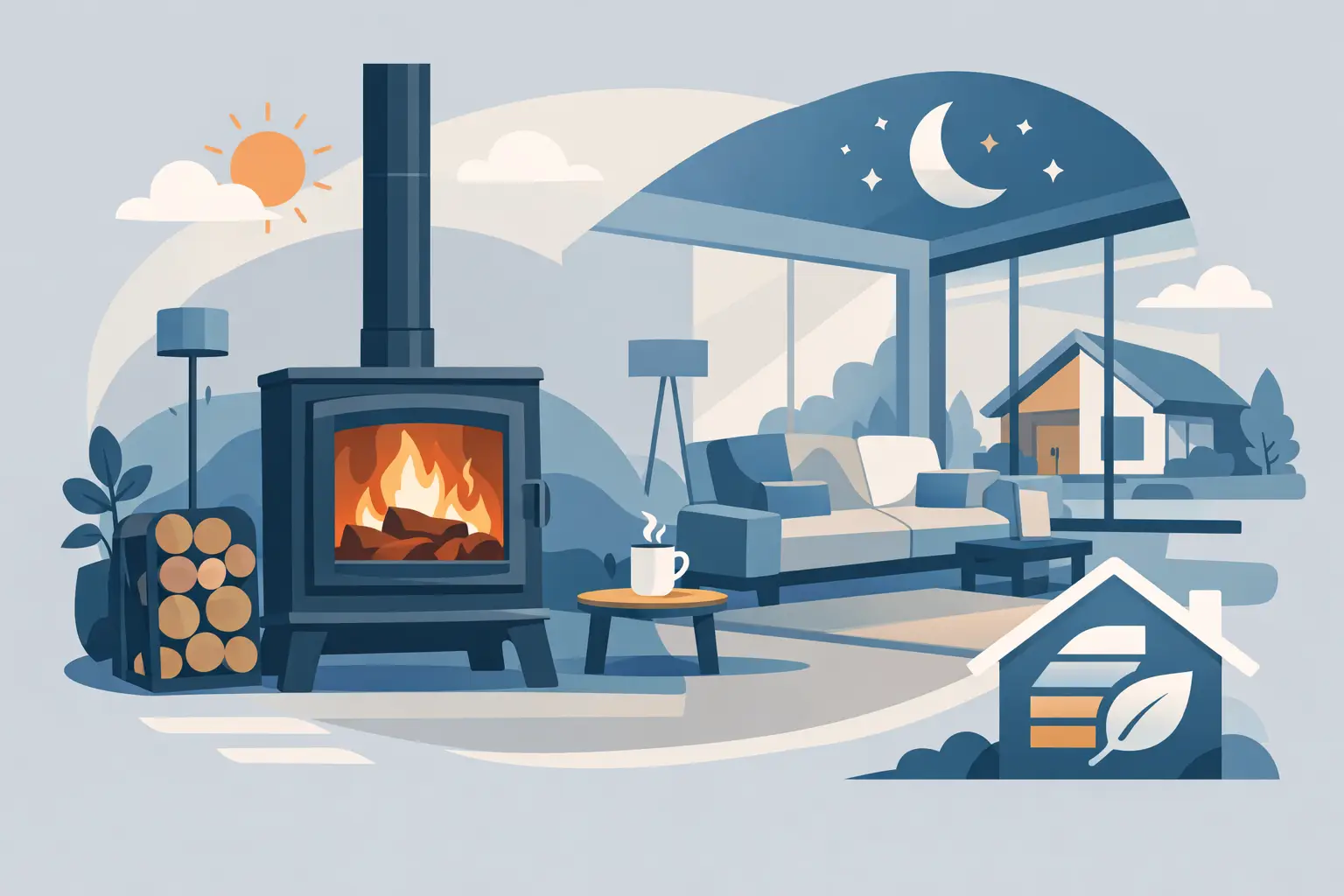
A wood stove can change the feel of a room in a way few other heating appliances can. There is the visible flame, the steady radiant warmth and the character it brings to a living space. But are wood stoves worth it for your home? The honest answer is that they can be, provided the stove, chimney and the way you plan to use it are all a good match.
For many homeowners across the Wirral, Chester and West Cheshire, a stove is both a practical source of heat and a considered interior feature. It is not, however, a fit-and-forget purchase. Fuel quality, maintenance, installation and local smoke-control rules all deserve proper thought before you choose one.
Are wood stoves worth it? The short answer
A well-chosen wood-burning stove is worth considering if you want dependable room heat, enjoy a real fire and are prepared to use and maintain it properly. Modern Ecodesign stoves are designed to burn far more cleanly and efficiently than older appliances or an open fire, helping you get more usable warmth from each load of logs.
They tend to work especially well in living rooms, open-plan family spaces, cottages and homes where a traditional fireplace has been unused for years. A stove can also provide reassurance during colder spells, particularly where central heating leaves a favourite room feeling chilly.
That said, a wood stove may not be the best choice if you want heat at the touch of a button, have no convenient way to store dry fuel, or mainly want the look of a flame for occasional use. An electric or gas fire may offer a more suitable everyday solution in those circumstances. The right choice is about how you live, not simply which appliance looks best in a brochure.
Where a wood stove earns its place
Comfort that feels different
Central heating warms the air, while a stove also gives off radiant heat. This is the warmth you feel when sitting near the fire, and it can make a room feel comfortable quickly. Once the stove is running well, the heat is steady and substantial rather than the brief burst you may get from a fan heater.
A modern stove can be an excellent way to heat the room you use most in the evening. It may allow you to keep the rest of the house at a sensible temperature while making the main living area particularly welcoming.
A genuine focal point
There is a reason stoves remain popular in contemporary renovations as well as period properties. They create a natural centrepiece, whether installed in a traditional chimney breast, set within an inglenook or paired with a simple, modern surround and hearth.
The stove needs to suit the scale of the room. A large appliance can overpower a compact lounge visually and thermally, while a very small stove may get lost in a broad fireplace opening. Seeing different styles and sizes in person can make that decision much easier than viewing images online.
Efficient use of quality fuel
When operated correctly, a modern wood stove can make efficient use of seasoned or kiln-dried logs. The key phrase is operated correctly. Good combustion relies on the right fuel, adequate airflow and avoiding the temptation to keep the stove slumbering with the air controls shut down for long periods.
Dry wood is essential. Logs should have a moisture content of 20% or below. Wet wood creates more smoke, leaves more deposits in the flue and delivers less useful heat. Choosing properly prepared fuel is one of the simplest ways to improve the experience of owning a stove.
The responsibilities that come with stove ownership
Wood stoves reward good habits, but they do require more involvement than gas and electric fires. You will need space to store logs somewhere dry and accessible, time to light and refuel the stove, and a willingness to remove ash safely. For many people, these jobs are part of the appeal. For others, they soon become a chore.
The chimney or flue also needs regular professional sweeping. How often depends on how much you use the stove and what fuel you burn, but an annual sweep is a sensible starting point for many households. Sweeping helps keep the flue clear, supports safe operation and gives you an opportunity to spot any developing issues.
There is also an environmental consideration. Wood smoke contains particulate pollution, particularly when poor-quality fuel is burned or a stove is used incorrectly. If you live in a smoke control area, you must follow the relevant rules, which may mean choosing a DEFRA-exempt appliance and using authorised fuel. A reputable installer can explain what applies to your property before work begins.
None of this means a stove should be ruled out. It means the appliance should be treated as a heating product that needs knowledgeable selection and responsible use, rather than just a decorative addition to the room.
Installation matters as much as the stove itself
A beautiful stove cannot perform properly if the installation is wrong. Before selecting an appliance, it is worth assessing the existing chimney, fireplace opening, hearth, ventilation and the room itself. Some homes have a sound chimney that simply needs lining. Others may need a new flue system, alterations to the opening or a suitable non-combustible hearth.
Heat output is another important consideration. Stove output is measured in kilowatts, but bigger is not automatically better. An oversized stove can make a room uncomfortably hot, leading people to restrict the airflow too much. That can result in incomplete combustion, dirtier glass and unnecessary smoke. A correctly sized stove is easier to enjoy and manage.
Modern, well-sealed homes may also need dedicated ventilation. Building regulations set requirements around combustion air, hearth construction, clearances and flues. This is why professional advice and certified installation are so important. It protects your home, helps the stove run as intended and provides confidence that the finished installation meets the required standards.
At Wirral Fires, the discussion starts with suitability rather than pushing a particular model. Looking at the room, chimney and the heat you actually need helps avoid costly compromises later on.
Questions to ask before choosing a wood stove
A few practical questions can make the decision clearer. Think about whether you will use the stove every day through winter or only at weekends, whether you have room for log storage and whether someone in the household is happy to manage lighting, refuelling and cleaning.
It is also helpful to consider these points before visiting a showroom or arranging a survey:
- Is the chimney sound, and has it been checked or swept recently?
- What size is the room, and how well insulated is it?
- Is your property within a smoke control area?
- Where will you store dry logs away from rain and damp?
- Do you want the stove mainly for warmth, atmosphere or both?
Bring photographs and measurements of your fireplace or proposed installation area where possible. They can help an adviser narrow down the options and identify anything that needs attention before fitting.
When another fire may suit you better
If your priority is immediate heat with minimal upkeep, a gas stove or gas fire may be the more practical route. It offers a real flame and controllable heat without handling fuel or ash. Electric fires are also an excellent option where there is no chimney, where installation needs to be straightforward, or where you want visual impact without the responsibilities of solid fuel.
A multi-fuel stove may suit households that want flexibility, but it is still important to follow the manufacturer’s guidance on approved fuels. Choosing an appliance for the fuel you genuinely intend to use is always wiser than selecting one based on a feature you may never need.
The best wood stove is not necessarily the largest, the most traditional or the one with the biggest viewing window. It is the one that suits your room, your property and your routine. If you are weighing up the options, a no-pressure conversation with an experienced local team and a look at working displays can turn a complicated decision into a confident one.